
Settlement Cracks in Your Walls? We'll Tell You If They Matter in Smethwick
We assess whether your wall cracks are normal building settlement or something needing an engineer, and repair the harmless ones properly.
Booking fee plus hourly labour — the price is confirmed before any work starts.
What this costs
| Booked 14+ days ahead | £25 booking fee £85 per hour |
|---|---|
| Booked within 48 hours | £100 booking fee £65 per hour |
| Same-day call-out | £220 booking fee £45 per hour |
The booking fee secures the visit. Labour is then charged by the hour, so you only pay for the time the job actually takes.
Booking fee £25–£220
£25 + £85/hr booked 14+ days ahead, £100 + £65/hr inside 48 hours, £220 + £45/hr same day. Agreed before we arrive.
Covered under Walls & Rendering
Outdoor & Exterior › Walls & Rendering — one of 20 documented jobs in this section.
Same-day settlement cracks
Urgent jobs can often be booked for today. Ask when you book and we will confirm the slot before you pay anything.
15 service areas
Birmingham, Coventry, Dorridge and 12 more across the West Midlands.
Settlement cracks are the ordinary background noise of a house. Buildings flex with heat, cold and moisture; materials shrink as they dry; foundations adjust slightly to ground conditions. The result is the fine cracks that appear in plaster and render in the first years after building, and along old lines for as long as the house stands. Most are cosmetic. The value of a proper assessment is knowing that yours are — and catching the rare one that isn't. This page explains the difference and how we deal with each.
What normal settlement looks like
Typical settlement and shrinkage cracks are fine — usually under a couple of millimetres — run in random or vertical patterns, follow weak points in plaster or render, and stay stable over months and years. They often reappear in the same place each summer as the building dries, and close again in wetter weather. Common locations include above door and window openings, where lintels concentrate movement, along the joints between different materials, and in new extensions as they dry out for the first year or two.
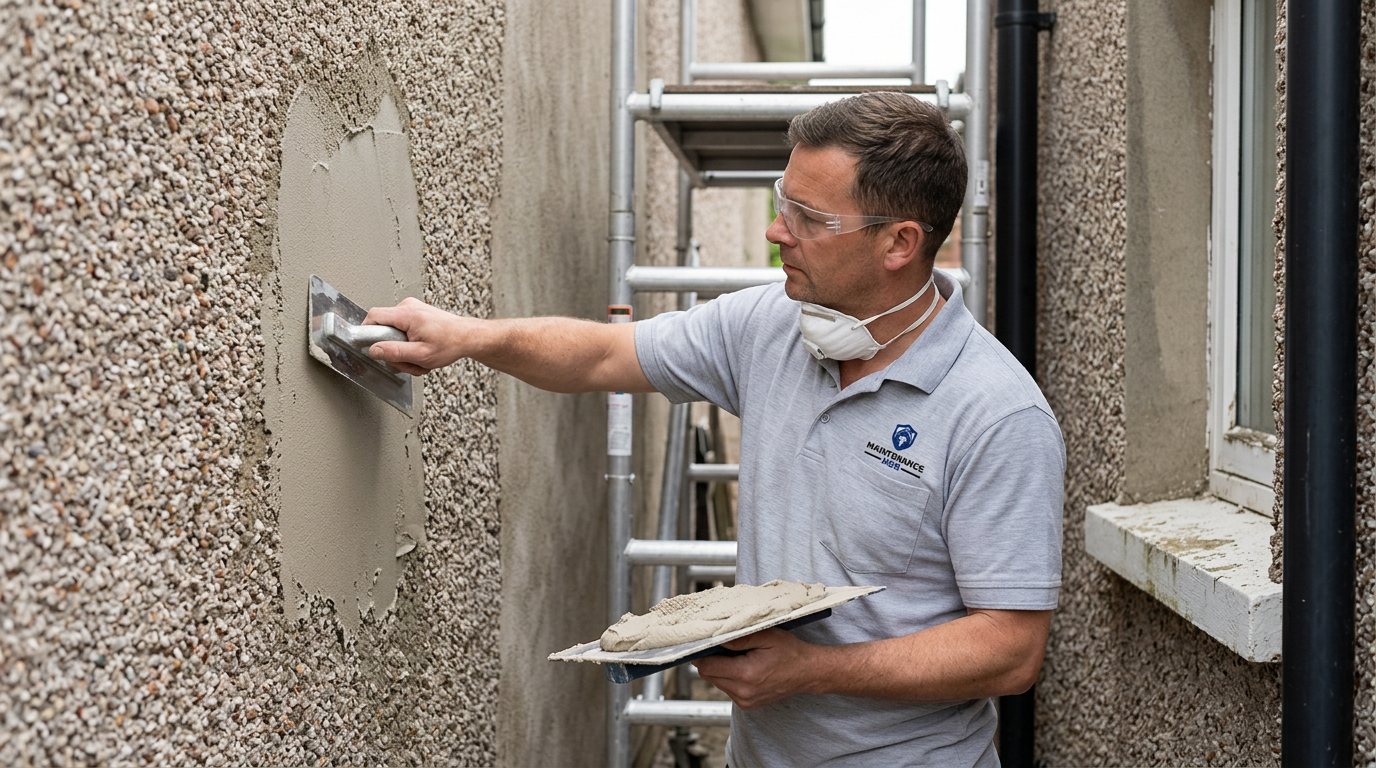
These cracks are worth repairing for appearance and to keep water out of the wall, but they are not a structural concern. The repair is raking out, filling with a flexible or matched material, and finishing — and doing it properly so the crack doesn't simply reopen along the same line a season later.
The signs that mean more than settlement
Some cracks deserve more respect. Wider than a few millimetres, tapering from thick to thin, running diagonally from opening corners, stepping down through mortar joints in brickwork, visible on both the inside and outside faces at the same position, or growing noticeably between one look and the next — these patterns suggest movement rather than mere shrinkage. Cracks that appear suddenly, or after a dry spell, tree removal, or nearby excavation, also carry more weight. Doors and windows that begin to stick, floors that begin to slope, or cracks accompanied by bulging walls all change the picture.
Where we find any of those signs, we say so plainly and recommend a structural engineer's assessment rather than a cosmetic repair. We make the area safe, document what we find with photographs and dated measurements, and help you arrange the referral. We would rather tell you a crack needs an engineer than fill it and hope.
How we assess on the visit
We look at every crack in the affected area, recording width, length, pattern and material — plaster, render, mortar or brick. We compare inside and outside positions, check for the companion signs of movement, and consider the history: when the cracks appeared, whether they change with the seasons, and anything that has happened around the property. Where a crack's status is genuinely uncertain, a monitoring gauge across it gives an objective answer over the following months, and we will set that up and explain how to read it.
Repairing the cosmetic ones properly
For confirmed shrinkage and settlement cracks, the repair is done to last: cracks are raked out to a clean edge, filled with appropriate flexible or fine filler, taped and scrimmed where plaster has parted, and finished to match. Around openings, we check that movement joints or sealant beads are doing their job. Where a crack reopens seasonally, a flexible filler that tolerates movement beats a rigid repair that cracks again — and we will say which approach suits your wall.
Honest expectations and aftercare
We cannot guarantee that a settlement crack will never reappear — buildings keep moving, and render in particular reopens along old lines. What we can do is repair with materials that tolerate that movement and explain what to watch for. Keep gutters working, watch for any crack that widens or changes character, and have new cracks assessed rather than filled if they behave unusually.
Booking your assessment
Book through maintenance-men.com or by phone. You pay a booking fee when you book, and labour is charged hourly at a rate that depends on how soon you need the visit. The full cost of the work is quoted and approved before we start, with parts and materials quoted separately. Tell us where the cracks are and how long you have noticed them, and send photographs if you can.
How the price works
We charge a booking fee to hold your slot, then an hourly rate for the work itself. The fee changes with how soon you need us; the hourly rate changes with the slot you choose. You approve the price before we start, so there is no surprise on the invoice.
Booked 14+ days ahead
£25 booking fee
then £85 per hour of labour
Best value. Book the slot now, pay the smallest booking fee.
Booked within 48 hours
£100 booking fee
then £65 per hour of labour
For jobs that can wait a day or two but not a fortnight.
Same-day call-out
£220 booking fee
then £45 per hour of labour
Urgent problems: standing water, no heat, no power, leaks.
Book the slot
Choose the window that suits you and pay the booking fee. That holds your place in the diary.
We diagnose on site
The engineer confirms the cause and tells you what the job involves and how long it should take.
You approve, we work
Nothing goes ahead until you agree the price. Labour is then charged per hour at your slot rate.
Nearly every house cracks a little as it settles and moves through the seasons, and most of those cracks are harmless — but 'most' isn't 'all', and that's the worry. Our visit gives you a proper assessment: we identify which cracks are cosmetic, repair them well, and refer you for an engineer's opinion on any that look like movement.
What our customers say about our outdoor & exterior service
4.6 out of 5 from 10 reviews
Sorted the same day
Rang in the morning and they got to us in Wolverhampton by early afternoon. Very clear about what needed doing, what it would cost and what could wait. No pressure to add extras. Exactly the sort of tradesperson you want.
Job: Uneven Shed Base
Turned up when they said
Turned up in the window they promised, walked me through the options (turns out the previous installer had left the pipework awkward to get to), then cracked on. Everything was tested before they left. No mess, no drama, no surprise on the bill.
Job: Water-Damaged Patio
Good work, poor communication
Work itself was fine and tidy. Communication beforehand was patchy — I did not get the confirmation message and had to ring to check the slot. Would still use again.
Job: Sinking Driveway
Book Settlement Cracks
Tell us what is happening and choose a slot. If you are not sure this is the right job, use the diagnosis panel — it narrows the problem down before you book.
- Booking fee confirmed up front
- Hourly labour, agreed before work starts
- Same-day slots for urgent problems








Questions people ask about settlement cracks
Straight answers to the things customers ask most often before booking.
Can I fill settlement cracks myself?
Yes — fine, stable cracks in plaster or render can be filled with flexible filler as a reasonable DIY job, and that's often all they need. The catch is knowing the crack is genuinely cosmetic: a tapering, growing or stepped crack should be assessed before it's filled, because filling hides the evidence of movement. If you're unsure, we'd rather look first.
How do you tell settlement cracks from structural ones?
We record each crack's width, shape, pattern and material, compare inside and outside faces, and look for the movement signs — tapering, stepping through mortar joints, sticking doors, sloping floors. We also ask about history: when it appeared, and whether it changes with seasons. Genuine uncertainty gets a monitoring gauge rather than a guess, and movement signs get an engineer's referral.
Do settlement cracks get worse over time?
Genuine settlement and shrinkage cracks usually stay stable, often opening slightly in dry summers and closing in wet weather — that seasonal rhythm is itself reassuring. Cracks that steadily widen, change shape or develop companions are a different story and deserve an engineer's opinion. That's exactly what the assessment distinguishes.
Will a repaired settlement crack stay repaired?
We use flexible materials and good technique so the repair tolerates normal building movement, but we can't guarantee a crack will never reappear — buildings move with the seasons and render often reopens along old lines. Where a crack is known to be seasonal, a flexible repair is the honest answer, and we'll explain what to expect rather than promise permanence.
How much does it cost to assess and repair settlement cracks?
You pay a booking fee when you book, and labour is charged hourly at a rate that depends on how soon you need the visit. The full cost of the work is quoted and approved before we start, with parts and materials quoted separately. Most cosmetic crack repairs are completed in a single visit; anything needing an engineer's report is referred and arranged separately.
Need settlement cracks sorted in Smethwick?
Book a slot in the diary and pay only the booking fee up front. We confirm the rest before we start.