
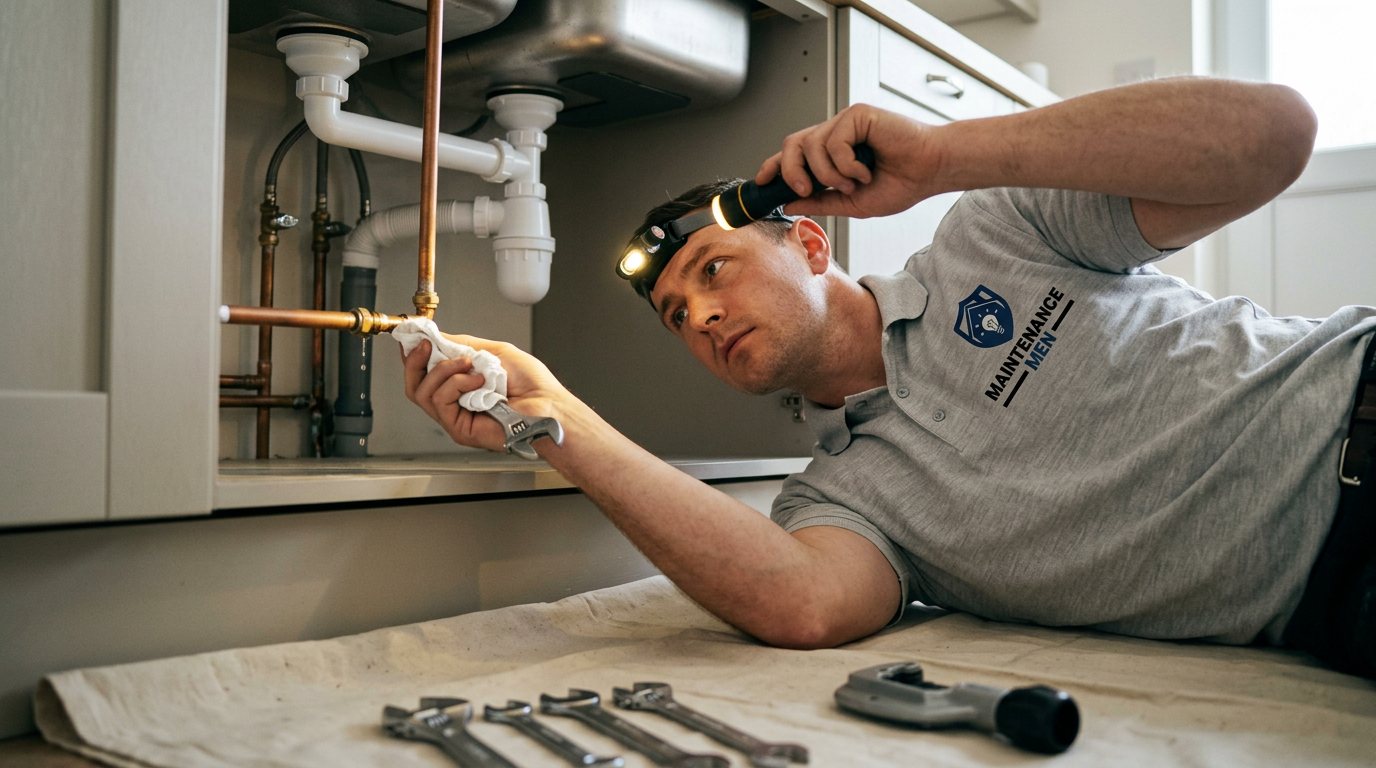
Leaking Toilet Repair for a Wet Base, Cistern or Constant Run in Leamington Spa
We check whether water is escaping at the base, from the cistern or through an internal valve, then explain the repair.
Booking fee plus hourly labour — the price is confirmed before any work starts.
What this costs
| Booked 14+ days ahead | £25 booking fee £85 per hour |
|---|---|
| Booked within 48 hours | £100 booking fee £65 per hour |
| Same-day call-out | £220 booking fee £45 per hour |
The booking fee secures the visit. Labour is then charged by the hour, so you only pay for the time the job actually takes.
Booking fee £25–£220
£25 + £85/hr booked 14+ days ahead, £100 + £65/hr inside 48 hours, £220 + £45/hr same day. Agreed before we arrive.
Covered under Leaks
Plumbing › Leaks — one of 17 documented jobs in this section.
Same-day leaking toilet repair
Urgent jobs can often be booked for today. Ask when you book and we will confirm the slot before you pay anything.
15 service areas
Birmingham, Coventry, Dorridge and 12 more across the West Midlands.
Causes
A toilet can leak from several places. Water at the base may point to a worn pan connector or seal, while moisture on the cistern may come from a supply connection, a cracked component or condensation that needs to be distinguished from a leak. A toilet that keeps refilling can have a faulty inlet valve, flush valve or seal inside the cistern. Loose fixings may allow movement, which can stress connections. Because these faults look similar from the bathroom floor, the plumber checks the source rather than assuming every wet patch means the same repair.
Why it worsens
A cistern that runs continuously wastes water and can create a constant sound that is easy to overlook. A leak at the base can spread under flooring or around the pan, where damp may be difficult to see. Repeated movement of a loose toilet can put more strain on the waste connection. Water near the toilet can also make the floor slippery. Avoid repeatedly flushing if the bowl is rising or the leak is active, and do not seal around the base as a substitute for finding the source; a covering may conceal water without stopping it.
How we diagnose
We ask when you see water, whether it appears after flushing, and whether the cistern continues to refill. The plumber checks the visible supply connection, cistern, pan, fixings and the floor around the base. We may operate the flush and watch the fittings for fresh moisture, then inspect accessible internal parts if the fault appears to be in the cistern. We also distinguish a plumbing leak from surface condensation where possible. The repair required depends on the actual fault, parts and access, so an inspection and explanation are more useful than a guess based only on a photograph.
How we fix
The repair depends on where the water escapes. A cistern fault may need a seal, inlet valve or flush component replaced; a leaking connection may need attention at the joint. A failed pan connector or base seal may require the toilet to be moved so the connection can be inspected and renewed. We explain the proposed work before starting, isolate the supply where needed and take care around the surrounding floor. Once reassembled, the toilet is filled and flushed so the plumber can check the repair under normal use. If a cracked pan or cistern is found, replacement may be more suitable than patching it.
Prevention
Check around the base and behind the cistern occasionally, especially after flushing. A toilet that refills without being used, a change in the usual sound, or a small bead of water at a connection is worth checking early. Avoid leaning heavily on the cistern or rocking the pan, and do not overtighten fixings yourself because ceramic can crack. Keep the area around the base dry enough to notice new moisture. These checks will not prevent every seal or valve from wearing, but they can make a developing fault easier to spot before water reaches concealed flooring.
When to call
Arrange an inspection if water returns around the base, the cistern keeps running, a connection drips or the toilet moves. If the water is flowing steadily, close the toilet's isolation valve if accessible and safe. If that does not stop it, turn off the main stopcock and avoid contact with wet electrics. If the pan is overflowing, stop flushing and keep people away from the wet floor. Tell us whether the leak appears after a flush, whether the toilet is still usable and if you have isolated the supply.
Book a call-out
When booking with Maintenance Men, describe where you see water, whether it is clean supply water or appears after flushing, and whether the cistern keeps refilling. Mention any movement at the toilet base or recent changes to the fitting. The service estimate is around 60 minutes for a typical visit, but access and the repair found can change the time. We will discuss the likely work before proceeding and explain if a part or replacement is needed. Book a call-out to have the source checked, the repair carried out as agreed and the toilet tested for leaks during flushing.
How the price works
We charge a booking fee to hold your slot, then an hourly rate for the work itself. The fee changes with how soon you need us; the hourly rate changes with the slot you choose. You approve the price before we start, so there is no surprise on the invoice.
Booked 14+ days ahead
£25 booking fee
then £85 per hour of labour
Best value. Book the slot now, pay the smallest booking fee.
Booked within 48 hours
£100 booking fee
then £65 per hour of labour
For jobs that can wait a day or two but not a fortnight.
Same-day call-out
£220 booking fee
then £45 per hour of labour
Urgent problems: standing water, no heat, no power, leaks.
Book the slot
Choose the window that suits you and pay the booking fee. That holds your place in the diary.
We diagnose on site
The engineer confirms the cause and tells you what the job involves and how long it should take.
You approve, we work
Nothing goes ahead until you agree the price. Labour is then charged per hour at your slot rate.
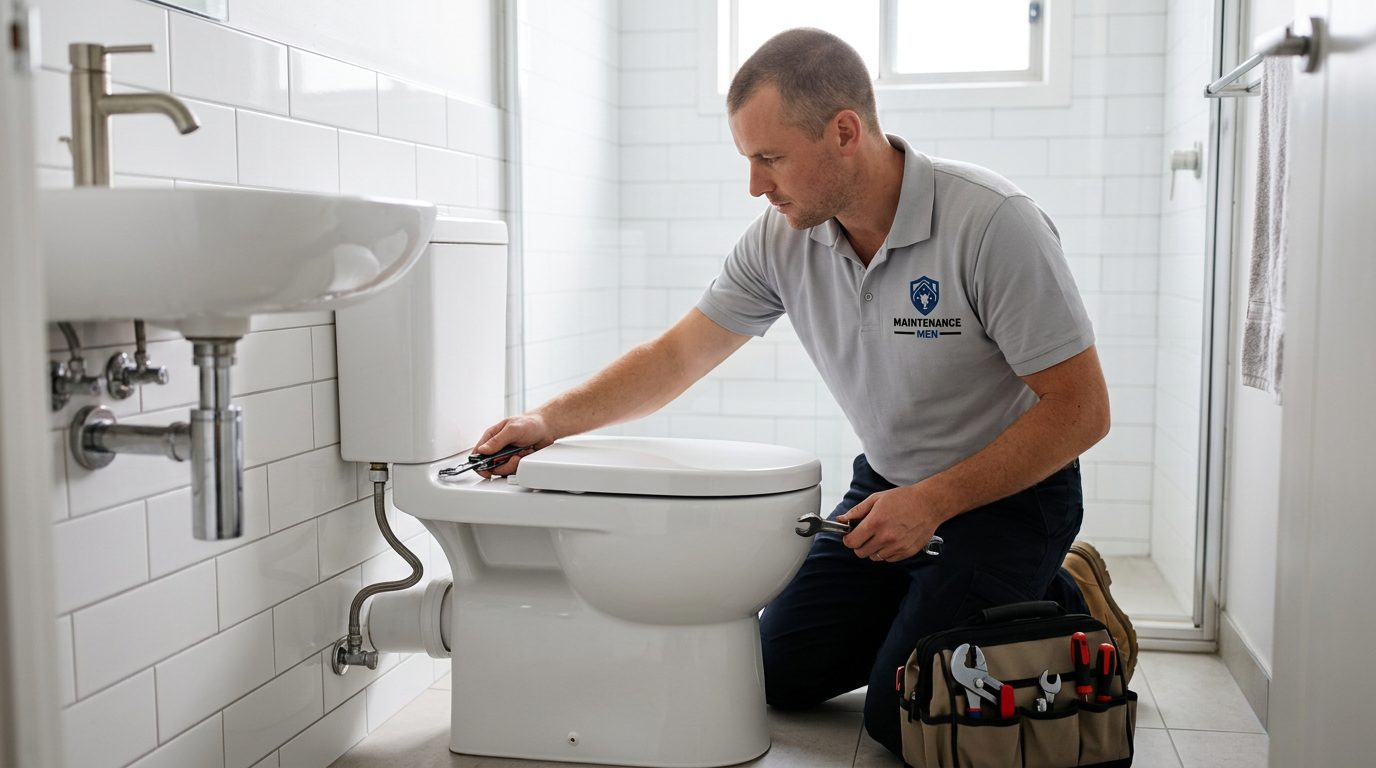
Water around a toilet can come from a failed seal at the base, a cistern connection or an internal mechanism that keeps refilling. The source matters: wiping the floor may hide a continuing leak, while water escaping at the pan can affect flooring below. Maintenance Men checks the toilet, visible connections and the flush cycle, then explains the repair options. A typical visit takes around 60 minutes, although the condition and access can change the time.
What our customers say about our plumbing service
4.7 out of 5 from 11 reviews
Second time we have used them
What I appreciated was being told what was actually wrong before anyone started. Sorted in under 32 minutes and the invoice matched the quote to the penny.
Job: Loose Pipe Connections Repair
Worth the booking fee
Booked the £220 booking-fee slot on Tuesday and got a message confirming the time the same morning. The cause was explained, the price agreed before any work started, and the job was done in about 75 minutes. Clean and tidy when they left.
Job: Hidden Pipe Leak Repair
Turned up when they said
Turned up in the window they promised, walked me through the options (turns out the part had to be sourced locally), then cracked on. Everything was tested before they left. No mess, no drama, no surprise on the bill.
Job: Central Heating Leak Repair
Book Leaking Toilet Repair
Tell us what is happening and choose a slot. If you are not sure this is the right job, use the diagnosis panel — it narrows the problem down before you book.
- Booking fee confirmed up front
- Hourly labour, agreed before work starts
- Same-day slots for urgent problems








Questions people ask about leaking toilet repair
Straight answers to the things customers ask most often before booking.
Why is water appearing around the toilet base?
A worn seal or pan connector can let water escape, especially during or after a flush. The source needs checking because water can also travel from a cistern connection.
Is a constantly running toilet a leak?
It may be an internal cistern fault that allows water to keep flowing into the pan. An inspection can identify whether a valve, seal or another part needs attention.
Should I keep flushing a leaking toilet?
Avoid flushing if the bowl is rising, water is escaping actively or the floor is becoming wet. If safe, isolate the toilet's water supply and arrange an inspection.
How long does a leaking toilet visit take?
The service estimate is around 60 minutes for a typical visit. The time varies with the fault, access and whether the toilet needs to be moved to inspect a connection.
Can sealant around the toilet base fix the leak?
Sealant may hide the visible water but will not repair a failed connector or internal leak. The source should be identified before any sealing work is considered.
Need leaking toilet repair sorted in Leamington Spa?
Book a slot in the diary and pay only the booking fee up front. We confirm the rest before we start.