
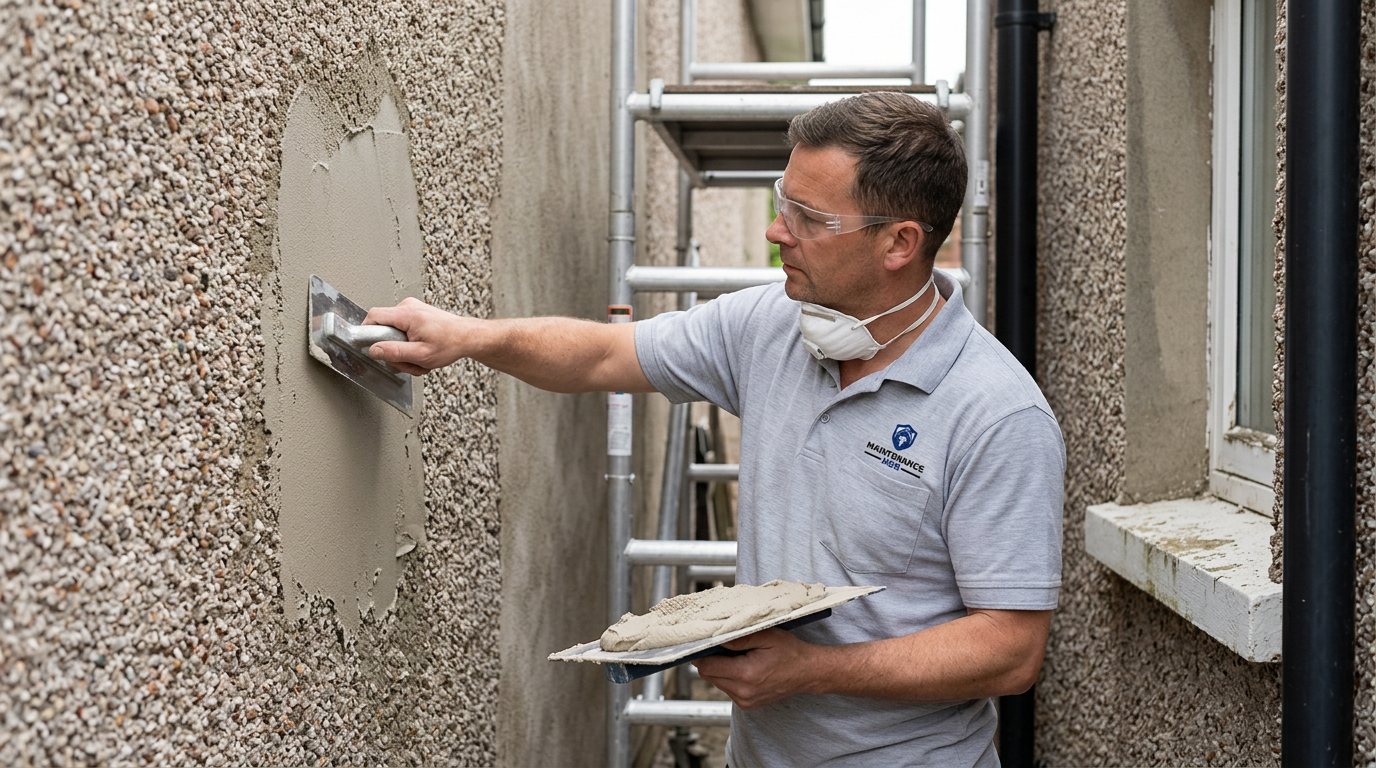
Subsidence Cracks in Your Walls? Safety First, Then Proper Answers in Edgbaston
We assess the damage, make the area safe, and refer you to a structural engineer — subsidence needs specialist diagnosis before any repair.
Booking fee plus hourly labour — the price is confirmed before any work starts.
What this costs
| Booked 14+ days ahead | £25 booking fee £85 per hour |
|---|---|
| Booked within 48 hours | £100 booking fee £65 per hour |
| Same-day call-out | £220 booking fee £45 per hour |
The booking fee secures the visit. Labour is then charged by the hour, so you only pay for the time the job actually takes.
Booking fee £25–£220
£25 + £85/hr booked 14+ days ahead, £100 + £65/hr inside 48 hours, £220 + £45/hr same day. Agreed before we arrive.
Covered under Walls & Rendering
Outdoor & Exterior › Walls & Rendering — one of 20 documented jobs in this section.
Same-day subsidence wall damage
Urgent jobs can often be booked for today. Ask when you book and we will confirm the slot before you pay anything.
15 service areas
Birmingham, Coventry, Dorridge and 12 more across the West Midlands.
Subsidence means the ground beneath part of your home is moving — shrinking, washing away, or compressing — so the building above settles unevenly and cracks appear. It is serious, but it is also diagnosable, monitorable and in many cases resolvable, and the first step is always proper assessment rather than repair. This page explains what subsidence looks like, what we do when we attend, and how the process should run to protect your home and your insurance position.
What subsidence damage looks like
The classic signs are cracks that are wider than a few millimetres, taper — thick at one end, thin at the other — run diagonally, and appear both inside and outside at the same position. Doors and windows begin to stick as frames distort. Floors may slope. Cracks tend to grow over time rather than staying stable. Patterns around the base of the building, or spreading from the corners of openings, carry particular weight.
The causes behind it are varied: clay soils that shrink in dry summers and swell in wet winters — a known issue across parts of the West Midlands — trees and large shrubs drawing moisture from the ground, leaking drains softening the soil, old mine workings and made ground, and broken drainage washing support away. Each cause points to a different remedy, which is why diagnosis matters more than anything.
Not every big-looking crack is subsidence
It is worth saying plainly: many frightening-looking cracks are thermal movement or settlement — the building adjusting as materials age — and they are stable, harmless and cheap to deal with. New build homes crack as they dry. Old walls crack along old lines each summer. The difference between harmless movement and subsidence is pattern, progression and evidence, and that difference is established by assessment and monitoring, not by guesswork in either direction.
What we do on the visit
First, safety: we check whether any masonry is loose or at risk, and secure or carefully remove anything hazardous so the area is not a danger to you. We then record what we find — crack positions, widths, lengths, patterns, and matching signs inside the property — with photographs and dated measurements. That baseline matters: engineers and insurers work from progression over time.
We also look for the causes we can identify: drain runs and their condition, trees and their distance from the building, ground levels, drainage and guttering. Then we give you our honest view and the recommendation a crack of this pattern deserves — a structural engineer's report, often alongside monitoring over several months. We help you arrange that and hand over our notes and photographs. We do not carry out underpinning or other structural remedies ourselves; the engineering decision must come first, and we will say so plainly.
Between the visit and the report
Monitor the cracks with dated marks or gauges, and note any change. Keep water away from the building's base: fix leaking drains and gutters promptly, and don't add or remove large trees without advice. Don't fill or repair the cracks yet — the evidence is valuable. If cracks widen rapidly, walls bulge, or doors jam shut, escalate promptly.
After the engineer's report
The engineer specifies what is needed — which may be as simple as removing a cause, or as involved as underpinning. Once the structural work is settled, we can quote for the parts we do: drainage repairs, making good, repointing, brickwork replacement and redecoration-ready finishes. The sequence — engineer, then repair — protects you from paying for cosmetic work that the structural remedy would undo.
Costs and booking
You pay a booking fee when you book, and labour is charged hourly at a rate that depends on how soon you need the visit. Any work we do is fully quoted and approved before it starts, with parts and materials quoted separately. The engineer's report is a separate professional engagement, and we will explain how our work fits around it. Book via maintenance-men.com or by phone, and tell us where the cracks are, how wide, and whether they have changed since you noticed them.
How the price works
We charge a booking fee to hold your slot, then an hourly rate for the work itself. The fee changes with how soon you need us; the hourly rate changes with the slot you choose. You approve the price before we start, so there is no surprise on the invoice.
Booked 14+ days ahead
£25 booking fee
then £85 per hour of labour
Best value. Book the slot now, pay the smallest booking fee.
Booked within 48 hours
£100 booking fee
then £65 per hour of labour
For jobs that can wait a day or two but not a fortnight.
Same-day call-out
£220 booking fee
then £45 per hour of labour
Urgent problems: standing water, no heat, no power, leaks.
Book the slot
Choose the window that suits you and pay the booking fee. That holds your place in the diary.
We diagnose on site
The engineer confirms the cause and tells you what the job involves and how long it should take.
You approve, we work
Nothing goes ahead until you agree the price. Labour is then charged per hour at your slot rate.
Subsidence is the word every homeowner dreads, and cracks that suggest it deserve a calm, ordered response rather than panic. Our visit establishes what is safe, documents what we find, and guides you towards the engineer's assessment and monitoring that a genuine ground-movement case needs.
What our customers say about our outdoor & exterior service
4.6 out of 5 from 10 reviews
Sorted the same day
Rang in the morning and they got to us in Wolverhampton by early afternoon. Very clear about what needed doing, what it would cost and what could wait. No pressure to add extras. Exactly the sort of tradesperson you want.
Job: Uneven Shed Base
Turned up when they said
Turned up in the window they promised, walked me through the options (turns out the previous installer had left the pipework awkward to get to), then cracked on. Everything was tested before they left. No mess, no drama, no surprise on the bill.
Job: Water-Damaged Patio
Good work, poor communication
Work itself was fine and tidy. Communication beforehand was patchy — I did not get the confirmation message and had to ring to check the slot. Would still use again.
Job: Sinking Driveway
Book Subsidence Wall Damage
Tell us what is happening and choose a slot. If you are not sure this is the right job, use the diagnosis panel — it narrows the problem down before you book.
- Booking fee confirmed up front
- Hourly labour, agreed before work starts
- Same-day slots for urgent problems







Questions people ask about subsidence wall damage
Straight answers to the things customers ask most often before booking.
Should I fill subsidence cracks myself while waiting for an assessment?
No — filling cracks destroys the evidence an engineer and insurer need, and it does nothing about ground movement. Leave them open, photograph them, and monitor with dated marks or gauges. The only DIY that helps is recording: measurements, photographs and notes of any change over time are genuinely valuable to whoever assesses the case.
What do you check when subsidence is suspected?
We check for loose or at-risk masonry and make the area safe first, then record crack positions, widths and patterns inside and out with dated photographs. We look for causes we can identify — drain condition, tree distances, gutters, ground levels. You get a written account that an engineer or insurer can work from, along with our honest view of urgency.
Is it safe to stay in the house with subsidence cracks?
In most cases yes — subsidence is usually gradual rather than sudden — but it depends on what the cracks are doing. We assess whether anything is unstable and secure it on our visit. Rapidly widening cracks, bulging walls or jamming doors are escalation signs that need prompt professional attention, and we will always tell you plainly where a situation stands.
Do you underpin houses yourselves?
No — underpinning and other structural remedies must be specified by a structural engineer, and we make safe, document and refer rather than improvise. Once the engineer has set out the work, we quote for the parts we are qualified for: drainage repairs, making good, repointing and finishes. That order means the engineering drives the repair, not the other way round.
What does a subsidence assessment visit cost?
You pay a booking fee when you book, and labour is charged hourly at a rate that depends on how soon you need the visit. Any work we carry out is quoted and approved before we start, with parts quoted separately. The structural engineer's report is a separate professional fee, and monitoring may be recommended over several months — we will explain the whole sequence before you commit to anything.
Need subsidence wall damage sorted in Edgbaston?
Book a slot in the diary and pay only the booking fee up front. We confirm the rest before we start.