
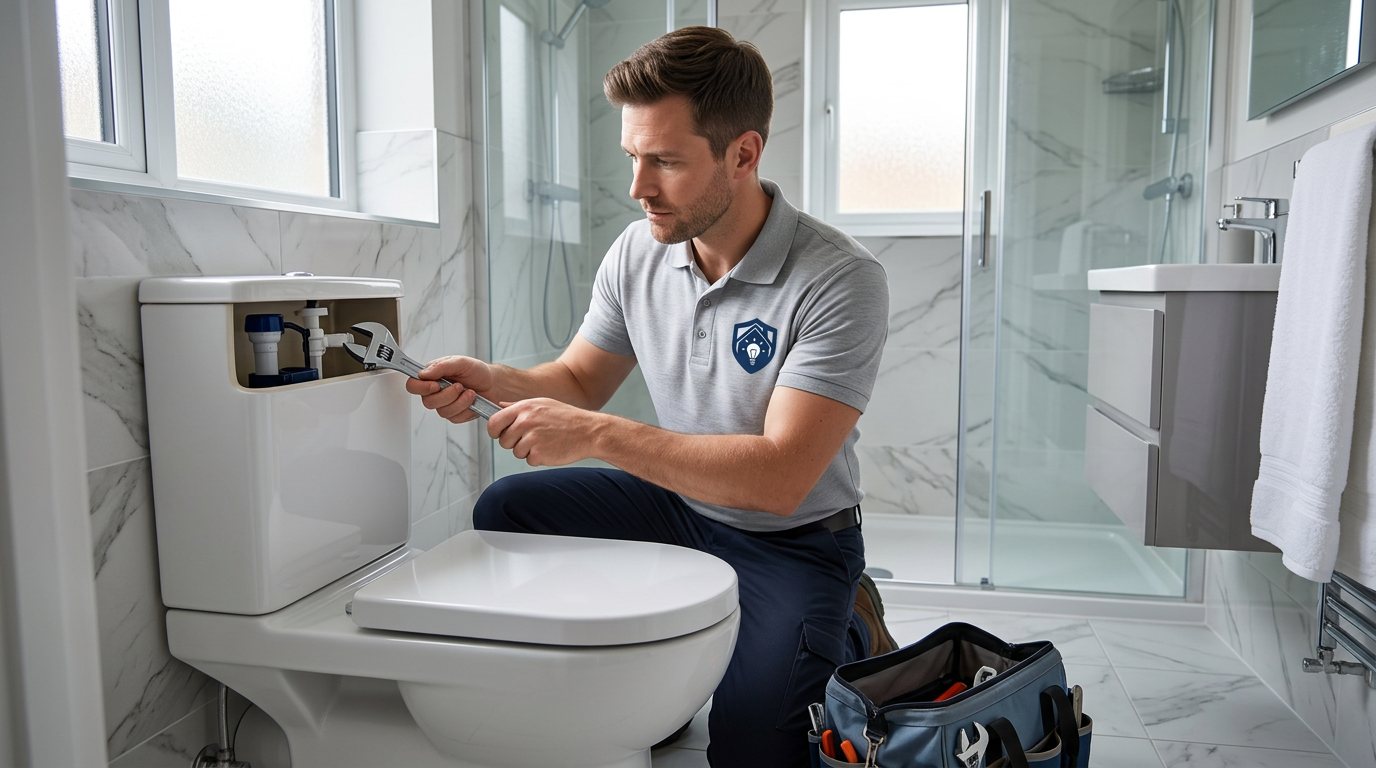
Toilet keeps running after a flush? Fix the cause, not the noise in Dudley
We check the float, inlet and flush valve, then test that the cistern refills and shuts off as it should.
Booking fee plus hourly labour — the price is confirmed before any work starts.
What this costs
| Booked 14+ days ahead | £25 booking fee £85 per hour |
|---|---|
| Booked within 48 hours | £100 booking fee £65 per hour |
| Same-day call-out | £220 booking fee £45 per hour |
The booking fee secures the visit. Labour is then charged by the hour, so you only pay for the time the job actually takes.
Booking fee £25–£220
£25 + £85/hr booked 14+ days ahead, £100 + £65/hr inside 48 hours, £220 + £45/hr same day. Agreed before we arrive.
Covered under Toilet
Plumbing › Toilet — one of 18 documented jobs in this section.
Same-day running toilet repair
Urgent jobs can often be booked for today. Ask when you book and we will confirm the slot before you pay anything.
15 service areas
Birmingham, Coventry, Dorridge and 12 more across the West Midlands.
Causes of a running toilet
After flushing, a cistern should refill and then stop. If water continues to run into the bowl or the inlet keeps filling the cistern, a component may not be closing correctly. A worn flush-valve seal can let water seep from the cistern into the pan, prompting the inlet valve to refill it again. A float that sticks, is misadjusted or has become damaged can also prevent the inlet from shutting off at the right level.
The flush button, lever or linkage may not return fully after use, leaving the flush valve slightly open. On some toilets, the issue may be a worn washer, scale or a component that has shifted. The sound alone cannot confirm which part is responsible. A running toilet can also be caused by more than one worn part, especially where the mechanism has seen regular use.
Why it can worsen
A constant trickle may seem minor, but it means the cistern is not operating as intended and continues to draw water. The repeated refill can become more noticeable, and the underlying seal or valve may deteriorate further. If the water level rises beyond the correct point, it may pass through the overflow route or escape at a leaking connection.
Ignoring the problem can also make it harder to spot a separate leak because the toilet is already making noise or refilling. Repeatedly jiggling the handle may temporarily change the symptom without fixing the fault. A prompt inspection helps identify whether the problem is a simple adjustment, a worn seal or a part that needs replacement.
How we diagnose the problem
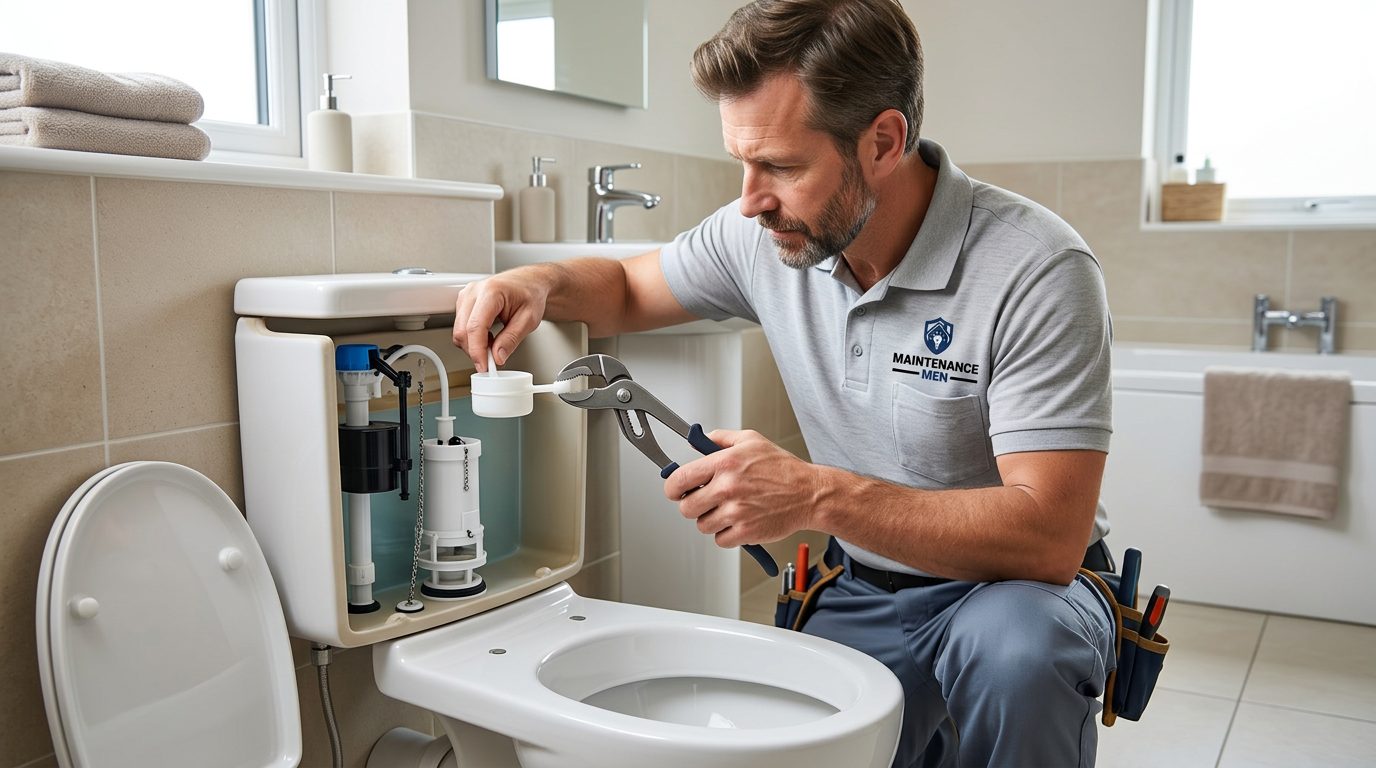
A plumber will ask whether the toilet runs continuously, starts again at intervals or only makes noise immediately after flushing. We inspect the cistern mechanism, flush button or lever, float and inlet valve, then observe a refill cycle. The check shows whether water is escaping past the flush valve, whether the inlet continues filling or whether the mechanism is being held open.
We also check the water level and look for moisture around the cistern and supply connections. This distinguishes an internal running fault from an external leak. If the cistern is concealed or uses an unfamiliar mechanism, access and compatible parts may affect the repair options. The plumber will explain the findings before work begins.
How we fix it
A running toilet fix may involve adjusting a float or linkage, cleaning or reseating a component, or replacing a worn flush seal or valve. If the inlet valve is not stopping the flow, it may need adjustment or replacement. We choose the repair based on the mechanism and condition rather than changing parts without checking. If a part is damaged or not suitable for repair, we will explain the alternative.
Once adjusted or repaired, we let the cistern refill and check that it stops, then flush and repeat the observation. We check for a steady trickle into the bowl and visible leaks around the fittings. Those figures belong to this entry; confirm the scope before work starts if inspection shows that additional parts or work are needed.
Prevention after the repair
Use the flush control normally and allow the cistern to finish refilling before pressing it again. If the button or lever feels stuck, do not force it; repeated pressure can keep the mechanism from closing. Keep the cistern area accessible and watch for a new trickle, repeated short refills or a button that does not return smoothly.
Do not pour strong cleaning chemicals into the cistern unless the toilet manufacturer says they are suitable, as they can affect seals and components. If you notice the sound returning after a repair, make a note of whether it happens constantly or in short bursts. That detail can help the plumber assess the mechanism more quickly.
When to call a plumber
Arrange help if the toilet continues running after a flush, refills repeatedly when unused or the handle or button sticks. Call promptly if water reaches the floor, the cistern is overflowing or you cannot stop the supply safely. If an isolation valve is accessible and turns easily, you may close it to limit flow while waiting, but do not force a stiff valve or dismantle the cistern without experience.
Book a call-out
Maintenance Men can inspect the cistern and identify why the water keeps running. Tell us whether it is a constant trickle or intermittent refill and whether the flush control sticks. We will explain the work required and check the toilet after adjustment or repair. Contact us to book a call-out and arrange toilet repair service for a cistern that will not shut off properly.
How the price works
We charge a booking fee to hold your slot, then an hourly rate for the work itself. The fee changes with how soon you need us; the hourly rate changes with the slot you choose. You approve the price before we start, so there is no surprise on the invoice.
Booked 14+ days ahead
£25 booking fee
then £85 per hour of labour
Best value. Book the slot now, pay the smallest booking fee.
Booked within 48 hours
£100 booking fee
then £65 per hour of labour
For jobs that can wait a day or two but not a fortnight.
Same-day call-out
£220 booking fee
then £45 per hour of labour
Urgent problems: standing water, no heat, no power, leaks.
Book the slot
Choose the window that suits you and pay the booking fee. That holds your place in the diary.
We diagnose on site
The engineer confirms the cause and tells you what the job involves and how long it should take.
You approve, we work
Nothing goes ahead until you agree the price. Labour is then charged per hour at your slot rate.
A toilet that keeps running after a flush can waste water and may signal a worn flush seal, sticking float or inlet valve that is not shutting off. A steady trickle or repeated refilling points to a cistern fault, but the cause should be checked rather than guessed at. Maintenance Men inspect the mechanism, explain repair options and test the refill and flush. If water overflows or leaks onto the floor, stop the supply if safe and call promptly.
What our customers say about our plumbing service
4.7 out of 5 from 11 reviews
Second time we have used them
What I appreciated was being told what was actually wrong before anyone started. Sorted in under 32 minutes and the invoice matched the quote to the penny.
Job: Loose Pipe Connections Repair
Worth the booking fee
Booked the £220 booking-fee slot on Tuesday and got a message confirming the time the same morning. The cause was explained, the price agreed before any work started, and the job was done in about 75 minutes. Clean and tidy when they left.
Job: Hidden Pipe Leak Repair
Turned up when they said
Turned up in the window they promised, walked me through the options (turns out the part had to be sourced locally), then cracked on. Everything was tested before they left. No mess, no drama, no surprise on the bill.
Job: Central Heating Leak Repair
Book Running Toilet Repair
Tell us what is happening and choose a slot. If you are not sure this is the right job, use the diagnosis panel — it narrows the problem down before you book.
- Booking fee confirmed up front
- Hourly labour, agreed before work starts
- Same-day slots for urgent problems







Questions people ask about running toilet repair
Straight answers to the things customers ask most often before booking.
Why does my toilet keep running after it has flushed?
A flush-valve seal may be letting water pass into the bowl, or the inlet valve and float may not be shutting off. A plumber can observe the refill cycle and identify the part at fault.
Is a running toilet an emergency?
It is worth arranging a repair because the cistern continues to refill and the fault may worsen. Treat it as urgent if water is overflowing or escaping onto the floor.
Can I jiggle the handle to stop the sound?
It may change the symptom briefly, but it does not identify or repair the cause. If the handle sticks or the toilet starts running again, arrange an inspection.
Should I use a cleaning block inside the cistern?
Some cleaning products can affect seals or cistern components. Check the toilet maker's guidance and avoid products that are not confirmed as suitable.
How is the work priced?
You pay a booking fee when you book, and labour is charged hourly at a rate that depends on how quickly you need us. The full cost of the work is quoted before we start, so you approve it before any tools come out.
Need running toilet repair sorted in Dudley?
Book a slot in the diary and pay only the booking fee up front. We confirm the rest before we start.