
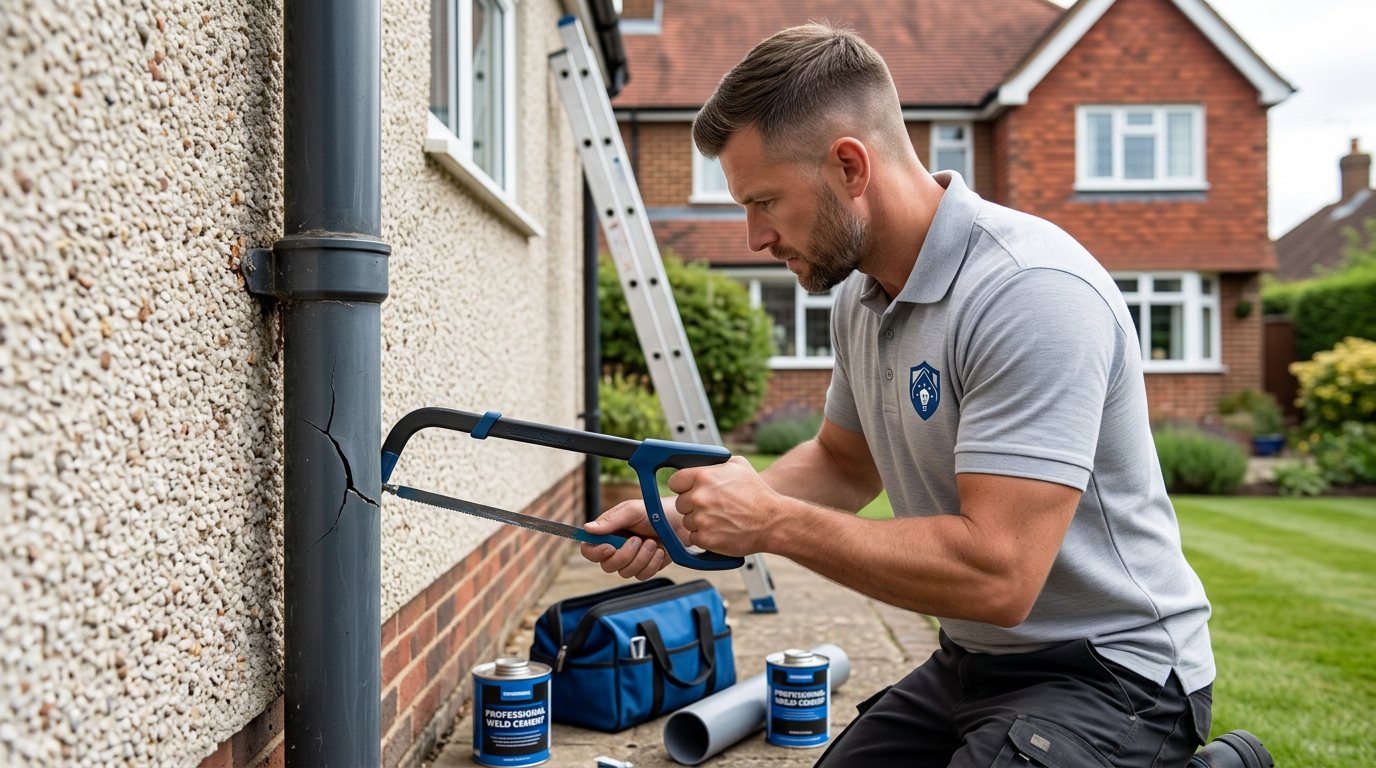
Understand Stack Air Pressure Symptoms Before Changing the Vent Layout
We assess gurgling, trap behaviour and venting alongside possible blockages or drainage defects.
Booking fee plus hourly labour — the price is confirmed before any work starts.
What this costs
| Booked 14+ days ahead | £25 booking fee £85 per hour |
|---|---|
| Booked within 48 hours | £100 booking fee £65 per hour |
| Same-day call-out | £220 booking fee £45 per hour |
The booking fee secures the visit. Labour is then charged by the hour, so you only pay for the time the job actually takes.
Booking fee £25–£220
£25 + £85/hr booked 14+ days ahead, £100 + £65/hr inside 48 hours, £220 + £45/hr same day. Agreed before we arrive.
Covered under Soil Stacks & Vent Pipes
Drainage › Soil Stacks & Vent Pipes — one of 21 documented jobs in this section.
Same-day air pressure issues in stack
Urgent jobs can often be booked for today. Ask when you book and we will confirm the slot before you pay anything.
15 service areas
Birmingham, Coventry, Dorridge and 12 more across the West Midlands.
Wastewater moving through a stack displaces air, and the vent arrangement helps the system manage that change. A restricted vent, partial blockage, poor connection or unsuitable alteration can disturb pressure. Water being drawn from a fixture trap may allow sewer gases into the room. The symptom does not identify which component is responsible, so adding a vent or valve without assessment can mislead.
Causes and how the problem develops
Look for bubbling at a trap, water level changes, gurgling or a smell that follows another fixture being used. Tell us whether the pattern began after plumbing alterations or affects one flat or several. Avoid sealing vents or fitting unverified devices. Keep rooms ventilated and restore water to an infrequently used trap if safe, but seek advice if odour returns or waste backs up.
What we assess
We compare fixture behaviour, inspect accessible traps and vent connections, and look for restriction, leaks or changes to the stack. We check the likely airflow route and determine whether a roof-level inspection is needed. Safe access is essential; some terminal work may require scaffolding. If concealed branches prevent a firm conclusion, we explain what further inspection can establish.
Repair options and limits
A confirmed obstruction may be cleared; a faulty connection or vent component can be repaired or replaced if compatible with the system. A layout change requires a considered scope, not a guess based on noise alone. We explain the diagnosis and quote any project work before it begins. If the evidence points to a downstream drain or a different trade, we will say so. Work is agreed only after the likely fault and access are understood. We explain which pipe sections can be reached, what method is proposed and what would make us stop or investigate further. A repair may improve the reported symptom without proving that every concealed branch or downstream drain is clear. Where the evidence points to a collapsed, badly broken or extensive section, that work is scoped and quoted as a project. We do not promise that roots, defects or future blockages cannot recur.
Safe access and hygiene
For any sewage or standing wastewater, keep children and pets away, avoid skin contact, ventilate where practical and wash hands thoroughly after accidental contact. Do not keep flushing a blocked toilet. A bucket and towels can help contain a small spill if it is safe to do so; do not touch wet electrical equipment. Tell us before arrival if drain chemicals have been used, and never mix caustic products. We use safe access for height work and do not walk fragile roofs or improvise a ladder setup. Access can shape both the method and the scope. We check whether a section is reachable from the ground, whether a wall or ceiling conceals a joint, and whether other occupants or services are affected. Roof terminals and high stack sections need safe planned access; some work may need scaffolding. We will say when the necessary access is not available or when another specialist should be involved, rather than attempting an unsafe shortcut.
Aftercare and prevention
Keep traps in regular use and report new pressure symptoms promptly, especially after changes to connected plumbing. After work, check whether the original gurgling, odour or trap movement has stopped under comparable use. If one symptom improves but another remains, further diagnosis may be needed; pressure behaviour can involve more than one section of the drainage system.
When to call and what happens next
Before work begins, we explain the proposed task and obtain your approval of the full cost. You pay a booking fee when you book, and labour is charged hourly at a rate that depends on how soon you need the visit. Parts are quoted separately, and the full cost is confirmed and approved before work starts. Larger projects are quoted after a survey. No estimate on a listing is a price promise, and no extra work proceeds without agreement. When you contact us, share the address, the affected fixtures, when the symptoms occur and whether there is active leakage or a sewage backup. Safe ground-level photos can help, but do not climb to take them. We will explain the visit and any access preparation needed. To arrange an assessment, use the booking option on the Maintenance Men website or contact the team with those details; if the condition worsens before the visit, stop using affected fixtures and update us.
How the price works
We charge a booking fee to hold your slot, then an hourly rate for the work itself. The fee changes with how soon you need us; the hourly rate changes with the slot you choose. You approve the price before we start, so there is no surprise on the invoice.
Booked 14+ days ahead
£25 booking fee
then £85 per hour of labour
Best value. Book the slot now, pay the smallest booking fee.
Booked within 48 hours
£100 booking fee
then £65 per hour of labour
For jobs that can wait a day or two but not a fortnight.
Same-day call-out
£220 booking fee
then £45 per hour of labour
Urgent problems: standing water, no heat, no power, leaks.
Book the slot
Choose the window that suits you and pay the booking fee. That holds your place in the diary.
We diagnose on site
The engineer confirms the cause and tells you what the job involves and how long it should take.
You approve, we work
Nothing goes ahead until you agree the price. Labour is then charged per hour at your slot rate.
Pressure changes in a soil stack can disturb trap seals or create gurgling, but the symptoms may also point to a restriction. We assess the connected system before proposing any alteration.
What our customers say about our drainage service
4.2 out of 5 from 5 reviews
Fast, tidy and friendly
Turned up in the window they promised, walked me through the options (turns out the part had to be sourced locally), then cracked on. Everything was tested before they left. No mess, no drama, no surprise on the bill.
Job: Standing Water in Shower Tray
Happy overall
Good job overall. Turned up about 15 minutes after the window started, but rang to say so, and the work itself was tidy and well explained. Price was as quoted.
Job: Partial Soil Stack Blockage
Fixed it, but took longer than expected
The problem is fixed, which is the main thing, and the engineer clearly knew what they were doing. It took a fair bit longer than the estimate on the phone and I had to ask twice for a breakdown of the hours.
Job: Surface Water Drain Maintenance
Book Air Pressure Issues in Stack
Tell us what is happening and choose a slot. If you are not sure this is the right job, use the diagnosis panel — it narrows the problem down before you book.
- Booking fee confirmed up front
- Hourly labour, agreed before work starts
- Same-day slots for urgent problems


Questions people ask about air pressure issues in stack
Straight answers to the things customers ask most often before booking.
Can I deal with air pressure issues in stack myself?
Only simple checks supported by the fixture or appliance instructions are appropriate. You may remove and clean an accessible trap or use a plunger with the overflow sealed where suitable, but do not climb to a roof, dismantle a stack, force a pipe or use caustic chemicals; tell us if chemicals have been used.
What will you check during the visit?
We ask which fixtures are affected and when symptoms occur, then inspect accessible pipework, joints, supports and connections relevant to the report. We explain what the evidence shows, what could not be accessed and whether further diagnosis is needed before repair.
Is the pipe safe to use while it is damaged or blocked?
If sewage is leaking, a pipe is unstable or a toilet is backing up, stop using the connected fixtures where practical and keep people and pets away from wastewater. We do not advise roof access or disturbing old suspected asbestos-cement pipework; testing is recommended before intrusive work.
Can I block the vent to stop stack pressure noises?
No. Blocking a vent can worsen airflow and odour problems. We check the connected fixtures and vent route to distinguish pressure symptoms from a blockage or trap fault.
How is the work priced?
You pay a booking fee when you book, and labour is charged hourly at a rate that depends on how soon you need the visit. The full cost is quoted and approved before work starts, with parts quoted separately.
Need air pressure issues in stack sorted?
Book a slot in the diary and pay only the booking fee up front. We confirm the rest before we start.