
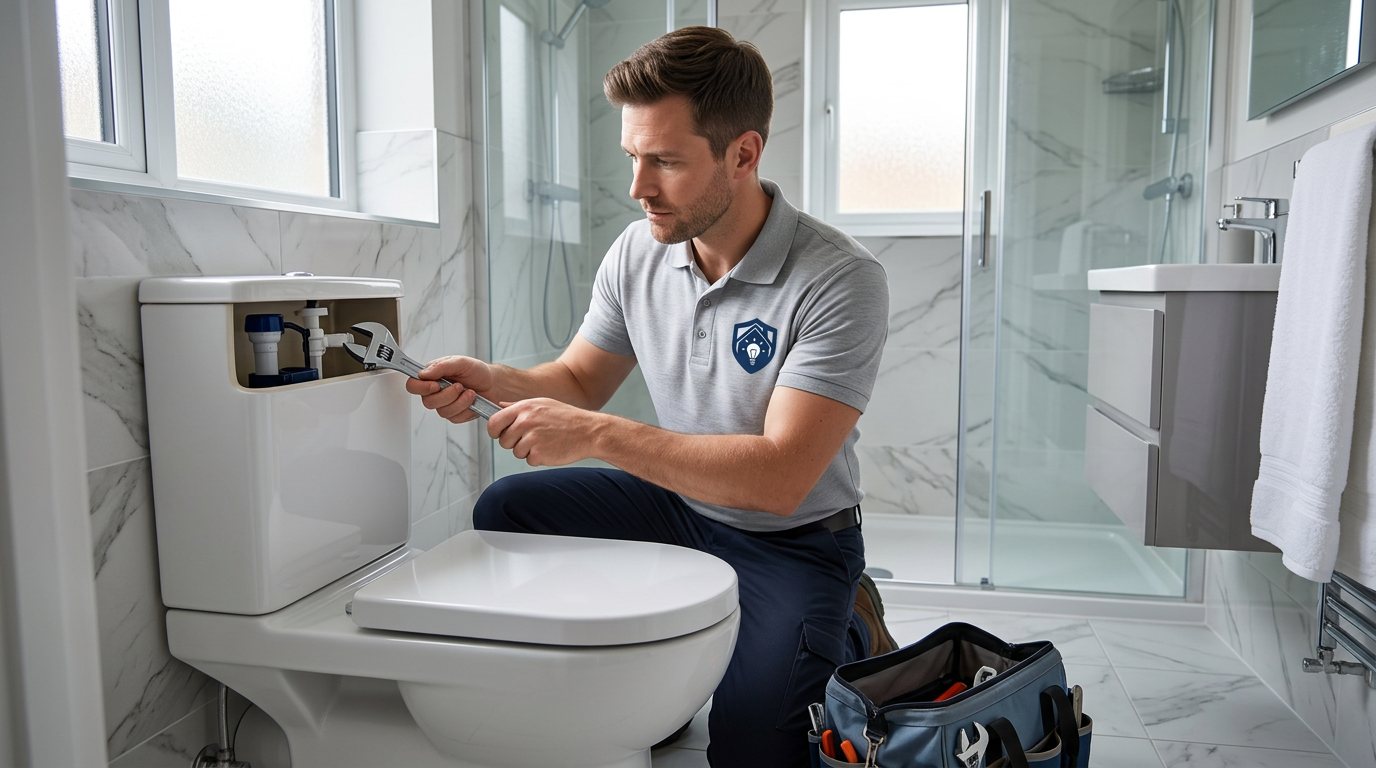
Toilet drain clearing for slow, blocked or backing-up toilets in Dorridge
We trace the restriction, clear the waste line and test the flush before we leave.
Booking fee plus hourly labour — the price is confirmed before any work starts.
What this costs
| Booked 14+ days ahead | £25 booking fee £85 per hour |
|---|---|
| Booked within 48 hours | £100 booking fee £65 per hour |
| Same-day call-out | £220 booking fee £45 per hour |
The booking fee secures the visit. Labour is then charged by the hour, so you only pay for the time the job actually takes.
Booking fee £25–£220
£25 + £85/hr booked 14+ days ahead, £100 + £65/hr inside 48 hours, £220 + £45/hr same day. Agreed before we arrive.
Covered under Toilet
Plumbing › Toilet — one of 18 documented jobs in this section.
Same-day toilet drain line blockage
Urgent jobs can often be booked for today. Ask when you book and we will confirm the slot before you pay anything.
15 service areas
Birmingham, Coventry, Dorridge and 12 more across the West Midlands.
Causes
A toilet drain line blockage can form when too much toilet paper, wipes, sanitary products or other unsuitable material collects in the waste route. Even products labelled flushable can stay intact long enough to catch on a bend or existing roughness in the pipe. Limescale, older pipework, a displaced joint or a partial obstruction farther along the drain can also narrow the passage. Sometimes the toilet itself is not the source: another connected drain may be restricted and affect how the toilet empties.
The signs vary. Water may leave the bowl slowly, rise higher than usual during a flush, gurgle after draining or return to the bowl. If several toilets or nearby waste outlets are affected, the fault may lie beyond one toilet connection. A clear description of what happens, and whether other fixtures are behaving differently, helps narrow down the likely route.
Why it worsens
A partial restriction often catches more paper and waste with each use. Repeated flushing does not force every obstruction through; it can instead raise the water level and cause an overflow. A blockage can also hold waste in the pipe, creating persistent smells or a return of dirty water. If a pipe joint or section is damaged, pushing at the obstruction without understanding its position may make the underlying fault harder to spot.
Stop flushing if the bowl is filling or the water is rising. Keep people and pets away from any contaminated water, and do not pour caustic drain chemicals into the toilet. These products may not reach the blockage and can create a handling hazard for anyone who later opens the pipework.
How we diagnose
A Maintenance Men plumber starts by asking when the symptoms began, what has been flushed and whether sinks, baths or other toilets are also affected. We inspect the bowl, visible connections and accessible waste pipework, then use suitable checks to distinguish a bowl-level obstruction from a deeper drain restriction. The method depends on the layout and access available; we do not assume that every slow flush has the same cause.
Before work starts, we explain what we have found and the proposed approach. If the symptoms point to a shared drain, an inaccessible section or a damaged pipe, we will say so rather than presenting a simple toilet clearance as a guaranteed answer. Where the work needs to extend beyond the original fault, we discuss the next step with you first.
How we fix
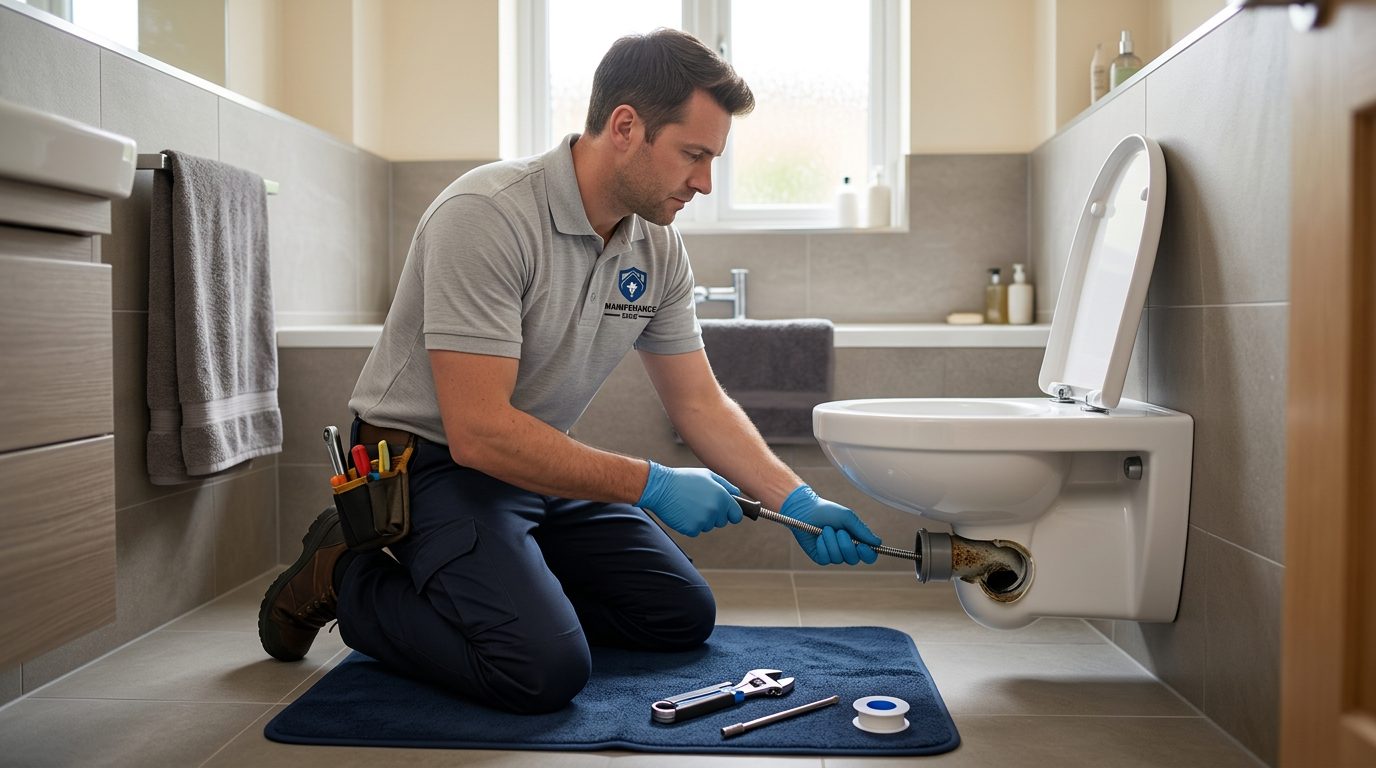
For a local obstruction, the plumber uses appropriate equipment to loosen or retrieve the material and clear the route, taking care around the pan and connection. If the restriction is farther along an accessible waste line, we work at the suitable access point rather than forcing tools through the ceramic trap. The aim is to remove the cause, not just make the water drop temporarily.
Once the restriction is cleared, we run controlled flush tests and check that the bowl empties and refills as expected. We also look for signs of leakage around accessible joints. If a damaged pipe, recurring obstruction or external drainage problem is suspected, we explain what has and has not been resolved and discuss suitable follow-up work. A toilet call-out does not by itself establish that every connected drain is clear.
Prevention
Only flush human waste and toilet paper unless your local drainage provider specifically advises otherwise. Put wipes, cotton buds, dental floss, nappies and sanitary products in a bin, even when packaging describes an item as flushable. Use a sensible amount of paper, particularly if the toilet has a weak flush, and avoid repeated flushing when water is slow to fall.
Notice changes early. Gurgling, a rising water line, new odours or a slower flush can be useful warning signs. If the same toilet blocks repeatedly, ask for the cause to be checked rather than relying on plunging or chemical products each time. Recurrence can point to a pipe shape, scale, damage or a restriction farther downstream.
When to call
Arrange help if the toilet will not drain, keeps blocking, makes new gurgling sounds or sends water back into the bowl. Treat an overflowing toilet as urgent: stop flushing, close the isolation valve if you can reach it safely, and protect the area from contact with waste water. If several fixtures back up together, mention that when booking because it may change where the plumber needs to investigate.
If water is escaping onto floors, tell us that as well. A leak near electrical fittings or a ceiling below needs prompt attention; avoid the affected area if it is unsafe. For a local problem, searching for a nearby toilet drainage service may help, but describe the symptoms clearly so the visit can be prepared properly.
Book a call-out
Tell Maintenance Men whether the toilet is slow, fully blocked or at risk of overflowing, when the problem started and whether other drains are affected. We will arrange a call-out to inspect the fault, explain the proposed work and seek your approval before proceeding beyond the agreed scope. Book a visit if the blockage persists or returns; restoring the drain now can prevent a minor restriction becoming a repeated disruption.
How the price works
We charge a booking fee to hold your slot, then an hourly rate for the work itself. The fee changes with how soon you need us; the hourly rate changes with the slot you choose. You approve the price before we start, so there is no surprise on the invoice.
Booked 14+ days ahead
£25 booking fee
then £85 per hour of labour
Best value. Book the slot now, pay the smallest booking fee.
Booked within 48 hours
£100 booking fee
then £65 per hour of labour
For jobs that can wait a day or two but not a fortnight.
Same-day call-out
£220 booking fee
then £45 per hour of labour
Urgent problems: standing water, no heat, no power, leaks.
Book the slot
Choose the window that suits you and pay the booking fee. That holds your place in the diary.
We diagnose on site
The engineer confirms the cause and tells you what the job involves and how long it should take.
You approve, we work
Nothing goes ahead until you agree the price. Labour is then charged per hour at your slot rate.
A toilet that drains slowly, gurgles or rises close to the rim may have a restriction beyond the bowl. Maintenance Men checks the waste route, identifies what is safe to clear and works to restore normal drainage without guesswork. We test the toilet after clearing and explain any further issue we find, including signs that the obstruction may sit in shared or external drainage rather than the toilet branch.
What our customers say about this job
5 out of 5 from 1 reviews
No mess left behind
Booked the £100 booking-fee slot on Saturday and got a message confirming the time the same morning. The cause was explained, the price agreed before any work started, and the job was done in about 25 minutes. Clean and tidy when they left.
Job: Toilet Drain Line Blockage
Book Toilet Drain Line Blockage
Tell us what is happening and choose a slot. If you are not sure this is the right job, use the diagnosis panel — it narrows the problem down before you book.
- Booking fee confirmed up front
- Hourly labour, agreed before work starts
- Same-day slots for urgent problems

Questions people ask about toilet drain line blockage
Straight answers to the things customers ask most often before booking.
Can I keep flushing a slow toilet?
It is safer to stop if the water rises or drains slowly, as another flush could cause an overflow. Wait for the level to fall and arrange an assessment if the problem continues.
Do wipes cause toilet drain blockages?
Wipes can catch in pipe bends and combine with other material, even when labelled flushable. Put them in a bin rather than the toilet.
Can you clear a blockage outside the toilet bowl?
A plumber can inspect accessible waste pipework and use suitable methods to clear a restriction beyond the bowl. If the issue is in a shared or external drain, we will explain that and the appropriate next step.
Will plunging always clear the problem?
A plunger may shift a simple local obstruction, but it cannot identify a damaged pipe or a deeper restriction. Stop if the water is close to overflowing or plunging makes no difference.
What should I do if more than one drain is backing up?
Avoid using affected fixtures and tell us which ones are involved when you book. Multiple outlets can indicate a restriction in a shared section rather than a single toilet connection.
Need toilet drain line blockage sorted in Dorridge?
Book a slot in the diary and pay only the booking fee up front. We confirm the rest before we start.