
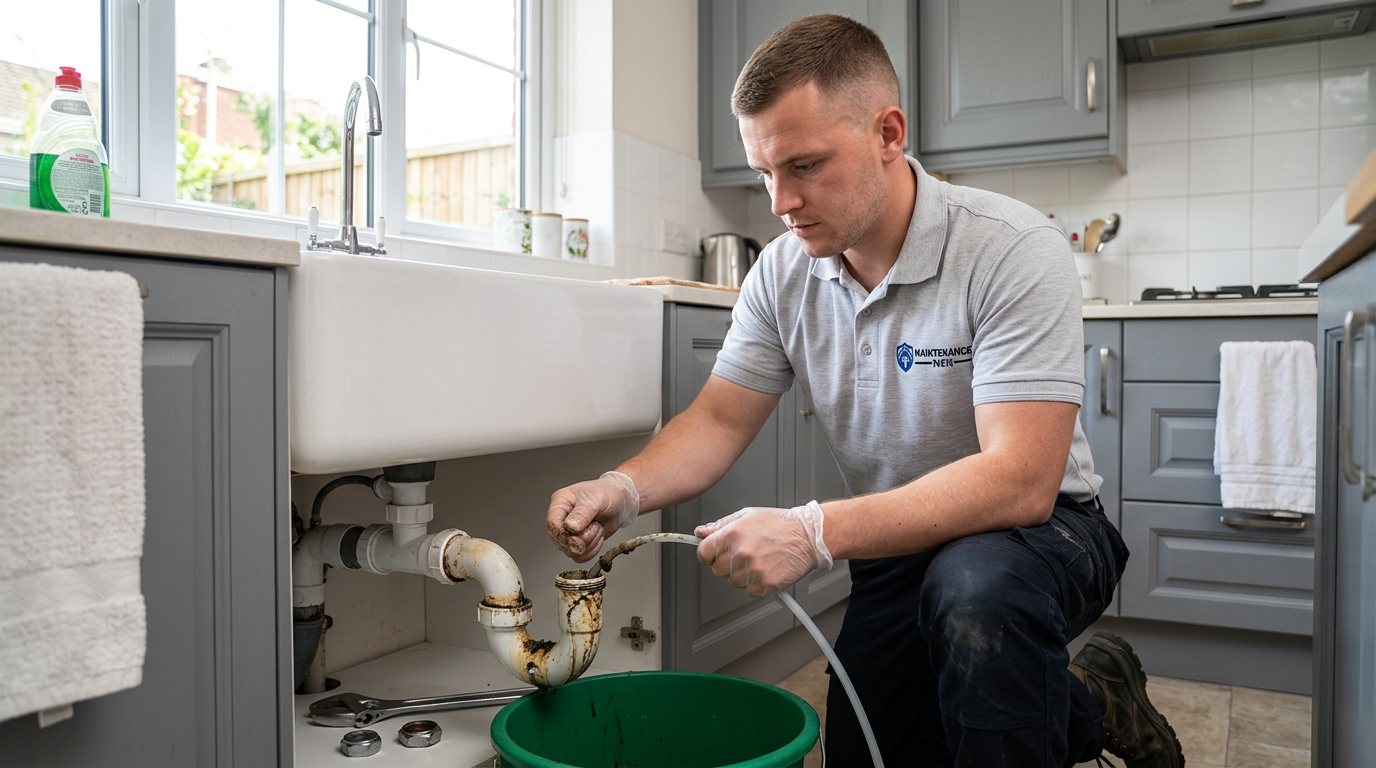
Drain Smells That Keep Coming Back? We Find the Source and Remove It Properly in Birmingham
Professional drain odour diagnosis and clearance that removes trapped waste and stagnant water — not just masks the smell.
Booking fee plus hourly labour — the price is confirmed before any work starts.
What this costs
| Booked 14+ days ahead | £25 booking fee £85 per hour |
|---|---|
| Booked within 48 hours | £100 booking fee £65 per hour |
| Same-day call-out | £220 booking fee £45 per hour |
The booking fee secures the visit. Labour is then charged by the hour, so you only pay for the time the job actually takes.
Booking fee £25–£220
£25 + £85/hr booked 14+ days ahead, £100 + £65/hr inside 48 hours, £220 + £45/hr same day. Agreed before we arrive.
Covered under Blockages
Plumbing › Blockages — one of 20 documented jobs in this section.
Same-day drain odour removal
Urgent jobs can often be booked for today. Ask when you book and we will confirm the slot before you pay anything.
15 service areas
Birmingham, Coventry, Dorridge and 12 more across the West Midlands.
Where Drain Smells Really Come From
When a smell returns no matter how much you clean, the source is almost never the visible surface of the basin or the plug. It is inside the pipework. The usual suspects:
- Trapped waste. Fat, food debris and hair decaying slowly inside the trap or waste pipe release gases that drift back up the plughole.
- Stagnant water. A dip, backfall or partial blockage lets water sit still in the pipe instead of flowing away — an ideal environment for the bacteria that produce foul odours.
- A dried-out or faulty trap. Every fixture relies on a water seal to block sewer gases. A little-used fixture's seal can evaporate, and a damaged or badly designed trap can siphon itself dry, leaving an open path for smells.
- A partial blockage in progress. Early build-up holds decaying matter long before it slows the flow — which is why the smell usually arrives before the slow drainage does.
- Problems further down the line. A venting fault or a partially blocked shared drain can push odours back through fittings that are perfectly clean themselves.
The point is this: the smell is a symptom with an address. Cleaning the basin will not remove it, because the basin is not where it lives.
Why Ignoring It Makes Things Worse
Odour is not just unpleasant — it is information. That smell is decaying organic matter and, in some cases, sewer gas, escaping into rooms where you cook, bathe and sleep. Meanwhile, whatever is generating it inside the pipe does not stay static. Trapped waste accumulates, stagnant zones spread, and a partial blockage steadily grows toward a full one. The smell that annoys you today is frequently the blockage that stops your sink next month. Dealing with it at the odour stage is quicker, cleaner and cheaper than dealing with the backup that follows.
How We Find the True Source
We treat a returning smell as a diagnosis job. First we rule out the simple explanations: we check the trap under the affected fixture for a healthy water seal, confirm the trap is the right type and fitted correctly, and look for signs of a dried-out or self-siphoning trap.
If the trap is sound, we look deeper. We test flow through the waste run, check for the standing water that signals a dip or partial blockage, and — where other fixtures are involved — assess whether the smell is coming from a shared section of pipework or a venting fault. By the end of the diagnosis we can tell you exactly where the smell is coming from, not just suggest something that might help.
How We Remove It Properly
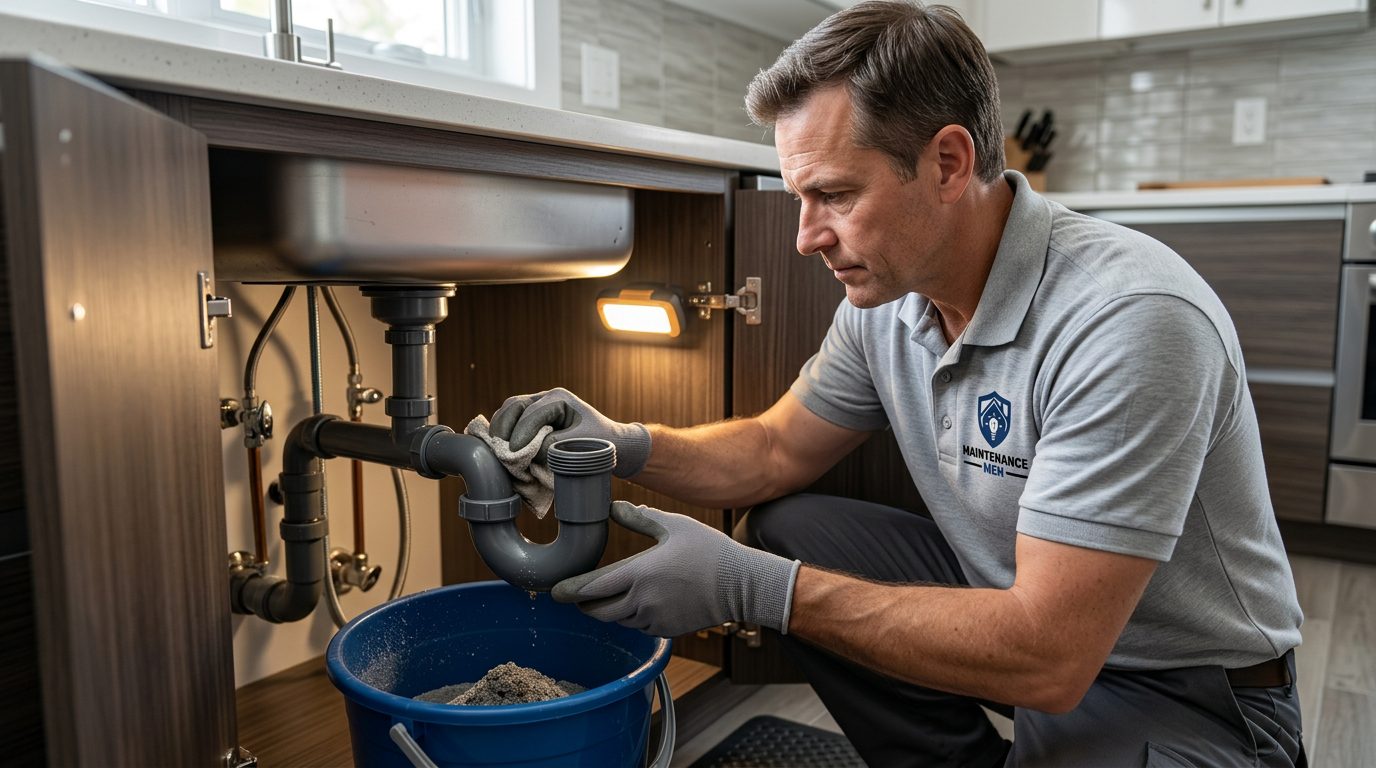
The fix matches the cause. A trap holding decaying waste is removed, cleaned and refitted with a fresh seal. Build-up in the waste run is cleared with mechanical equipment that strips the pipe walls back to clean surface, removing the bacteria's home rather than rinsing over it. A partial blockage is fully removed — not breached — so nothing is left to feed the next smell. A faulty trap design is replaced with one that holds its seal reliably, and venting faults are explained and put right.
We finish by flushing the system at full flow and confirming there is no residual odour. You are left with plumbing that drains well and smells of nothing at all — which is exactly what good plumbing should smell like.
How to Prevent Smells Returning
- Keep fat, oil and food scraps out of kitchen drains; wipe plates and pans before washing up.
- Run rarely used fixtures occasionally to keep trap seals topped up.
- Clean plug holes and traps regularly, but remember cleaning only prevents — it does not cure an established build-up.
- If a smell returns after cleaning, stop treating the surface and get the pipework checked.
When to Call a Plumber
Call us when a smell persists despite cleaning, when it returns within days of freshening up, when it comes from a fixture you rarely use, or when it is joined by gurgling or slower drainage. Those patterns all point to a source inside the pipework that only proper clearance will remove.
Book Your Drain Odour Diagnosis
Stop holding your breath in your own kitchen. Book a call-out with Maintenance Men and we will trace the smell to its source, remove it completely, and leave your plumbing clean, fresh and free-flowing. Call now or book online for fast drain unblocking and odour clearance.
How the price works
We charge a booking fee to hold your slot, then an hourly rate for the work itself. The fee changes with how soon you need us; the hourly rate changes with the slot you choose. You approve the price before we start, so there is no surprise on the invoice.
Booked 14+ days ahead
£25 booking fee
then £85 per hour of labour
Best value. Book the slot now, pay the smallest booking fee.
Booked within 48 hours
£100 booking fee
then £65 per hour of labour
For jobs that can wait a day or two but not a fortnight.
Same-day call-out
£220 booking fee
then £45 per hour of labour
Urgent problems: standing water, no heat, no power, leaks.
Book the slot
Choose the window that suits you and pay the booking fee. That holds your place in the diary.
We diagnose on site
The engineer confirms the cause and tells you what the job involves and how long it should take.
You approve, we work
Nothing goes ahead until you agree the price. Labour is then charged per hour at your slot rate.
A drain smell that keeps returning is not a cleaning problem — it is a plumbing one. Persistent odours point to trapped waste, stagnant water sitting in the wrong place, or a hidden partial blockage feeding bacteria and gases back into your home. We find the true source of the smell, remove it completely, and leave your kitchen and bathroom plumbing smelling clean and draining properly, so you can use them with confidence again.
What our customers say about our plumbing service
4.7 out of 5 from 11 reviews
Second time we have used them
What I appreciated was being told what was actually wrong before anyone started. Sorted in under 32 minutes and the invoice matched the quote to the penny.
Job: Loose Pipe Connections Repair
Worth the booking fee
Booked the £220 booking-fee slot on Tuesday and got a message confirming the time the same morning. The cause was explained, the price agreed before any work started, and the job was done in about 75 minutes. Clean and tidy when they left.
Job: Hidden Pipe Leak Repair
Turned up when they said
Turned up in the window they promised, walked me through the options (turns out the part had to be sourced locally), then cracked on. Everything was tested before they left. No mess, no drama, no surprise on the bill.
Job: Central Heating Leak Repair
Book Drain Odour Removal
Tell us what is happening and choose a slot. If you are not sure this is the right job, use the diagnosis panel — it narrows the problem down before you book.
- Booking fee confirmed up front
- Hourly labour, agreed before work starts
- Same-day slots for urgent problems






Questions people ask about drain odour removal
Straight answers to the things customers ask most often before booking.
Why does my drain smell even though I clean it regularly?
Because the source is inside the pipework, not on the surface. Trapped waste decaying in the trap or waste pipe, stagnant water, or a faulty trap seal all produce odours that cleaning the basin cannot reach. Regular cleaning helps prevent build-up but will not remove an established source.
Could a drain smell be dangerous?
Persistent smells should not be ignored. Decaying waste breeds bacteria, and a broken trap seal can allow sewer gases into the room. Most causes are straightforward to fix, but the smell is a genuine signal that something in the pipework needs attention.
Why does the smell come from a bathroom I rarely use?
Trap seals rely on water, and in a little-used fixture that water slowly evaporates, letting sewer gases pass through. Running the fixture occasionally refills the seal. If the smell persists even with use, the trap may be faulty or self-siphoning and worth checking.
Will bleach get rid of the smell?
Bleach masks odour briefly but does not remove decaying waste or a partial blockage, and it can damage some pipework and fittings. Mechanical clearing that removes the material producing the smell is the reliable fix.
Can a drain smell mean a blockage is coming?
Often, yes. Early build-up holds decaying matter before it slows the flow noticeably, so odour frequently precedes slow drainage. Getting the pipe checked and cleared at the smell stage is usually a quicker, cheaper job than waiting for the blockage.
Need drain odour removal sorted in Birmingham?
Book a slot in the diary and pay only the booking fee up front. We confirm the rest before we start.