
Interior Gaps Sealed Against Draughts, Dust and Hairline Cracks in Birmingham
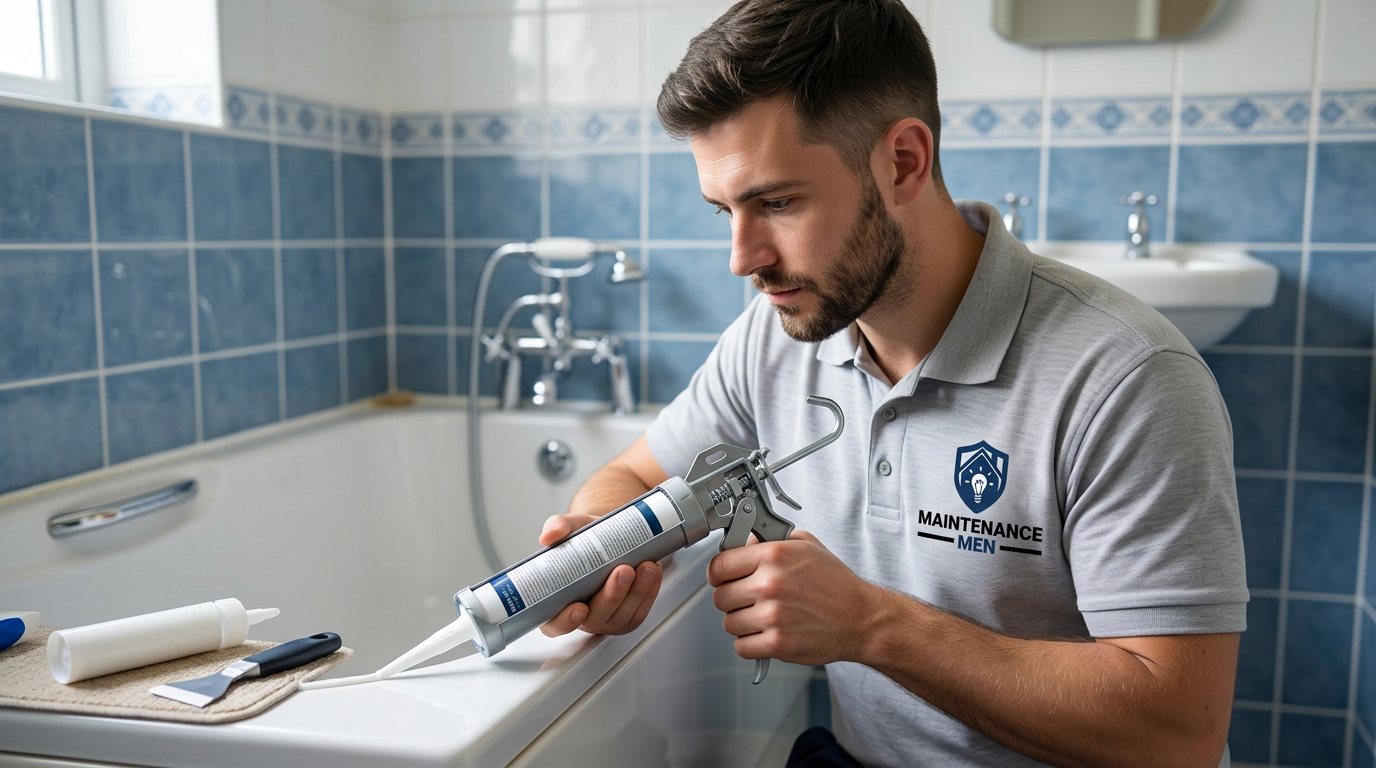
We seal the internal gaps that let in dust and draughts — wall to ceiling, wall to frame, and between boards — using flexible materials that cope with movement.
Booking fee plus hourly labour — the price is confirmed before any work starts.
What this costs
| Booked 14+ days ahead | £25 booking fee £85 per hour |
|---|---|
| Booked within 48 hours | £100 booking fee £65 per hour |
| Same-day call-out | £220 booking fee £45 per hour |
The booking fee secures the visit. Labour is then charged by the hour, so you only pay for the time the job actually takes.
Booking fee £25–£220
£25 + £85/hr booked 14+ days ahead, £100 + £65/hr inside 48 hours, £220 + £45/hr same day. Agreed before we arrive.
Covered under Sealing & Caulking
Handyman › Sealing & Caulking — one of 22 documented jobs in this section.
Same-day interior gap sealing
Urgent jobs can often be booked for today. Ask when you book and we will confirm the slot before you pay anything.
15 service areas
Birmingham, Coventry, Dorridge and 12 more across the West Midlands.
Why interior gaps open up
Houses move, and the joints between different materials move most of all. Where a plastered wall meets a ceiling, where a plasterboard partition meets a masonry wall, or where a timber frame sits against plaster, the two surfaces expand and contract at different rates through the year. A joint that was finished tight on a warm summer day can part by a millimetre or two in a cold, dry winter — enough to show as a hairline crack, gather dust along its length, or let a draught whisper through on a windy day. These gaps are normal, not a defect in themselves; the question is how they are best dealt with.
Reading what the gap is telling you
Before sealing anything we look at the gap's history and context. Is it a straight joint line that opens and closes seasonally, or is it stepped, diagonal, or widening year on year? Cracks that keep returning, widen steadily, or appear with other signs — doors beginning to stick, floors sloping, external cracks — can point to movement that needs a structural view rather than another bead of caulk, and we will say so rather than seal over it. Damp marks along a gap are a separate story again: sealing a joint that is carrying moisture traps the problem inside. Our first task is to judge whether the gap is ordinary movement — and most are — or a symptom worth investigating further.
Preparing the joint
A gap is only as good as its preparation. Loose material is cleaned out, dust brushed away, and the surfaces either side dried. Where an old bead or filler has failed, it is cut or raked out fully so the new material bonds to the surfaces themselves rather than to a crumbly previous attempt. Deep gaps may need a backing before sealant, so the bead is neither starved nor over-filled; we judge this on each joint rather than treating every line the same.
Flexible materials, not rigid filler
The characteristic mistake with interior gaps is filling them with something rigid. A hard filler spanning a moving joint simply cracks again, often worse than before. For joints that move, we use flexible materials: a decorators' caulk where the joint will be painted and the movement is small, a flexible sealant where more movement is expected, and silicone in wet areas. The choice depends on the joint, the finish and what happens next in the room — if the joint is to be painted, we note that the decorating itself may not be included unless agreed, and tell you when the caulk is ready for paint.
Finishing and aftercare
Sealed joints are tooled to a clean finish — flush on a ceiling line, neat along a frame — so the repair reads as part of the room rather than a patch. Cure times follow the product instructions, from hours to a day, and we tell you when each joint can be touched, painted or cleaned. Sealed movement joints are maintenance items: they are doing their job when they flex instead of crack, and they may need renewing after some years. A joint that opens again within a season is telling us something, and we would rather you told us than filled it a third time.
When a gap needs more than sealing
Sealing keeps dust, draughts and small air movement out of an ordinary joint. It does not address structural movement, damp, or a failing wall or frame, and we do not present it as such. If a gap suggests anything structural, the honest advice is a survey or specialist diagnosis before cosmetic sealing, and we refer accordingly. Sealing is also not a substitute for proper insulation or ventilation work, though a draughty joint sealed properly can make a noticeable difference to a room's comfort.
Getting the room ready
Move furniture and curtains back from the walls and ceiling lines being worked, clear the skirting line if that is in scope, and let us know which joints matter most to you. If painting is planned afterwards, schedule it after the cure time we specify. If a gap has been getting worse over time, mention that at booking — it changes what we check when we arrive.
Booking
Book online or by phone. A booking fee is paid when you book, the hourly rate depends on how soon you need the visit, and the full cost is quoted and agreed before work begins. Same-day slots may be available.
How the price works
We charge a booking fee to hold your slot, then an hourly rate for the work itself. The fee changes with how soon you need us; the hourly rate changes with the slot you choose. You approve the price before we start, so there is no surprise on the invoice.
Booked 14+ days ahead
£25 booking fee
then £85 per hour of labour
Best value. Book the slot now, pay the smallest booking fee.
Booked within 48 hours
£100 booking fee
then £65 per hour of labour
For jobs that can wait a day or two but not a fortnight.
Same-day call-out
£220 booking fee
then £45 per hour of labour
Urgent problems: standing water, no heat, no power, leaks.
Book the slot
Choose the window that suits you and pay the booking fee. That holds your place in the diary.
We diagnose on site
The engineer confirms the cause and tells you what the job involves and how long it should take.
You approve, we work
Nothing goes ahead until you agree the price. Labour is then charged per hour at your slot rate.
Gaps inside the house open up for ordinary reasons: timber frames shrink and swell with the seasons, plaster and plasterboard move at different rates, and joints that were tight when the room was finished slowly part. The result is draughts, dust trails and hairline cracks that repainting never quite fixes. We assess why a gap is there, seal it with a flexible material, and tell you if it needs looking at more deeply.
What our customers say about our handyman service
5 out of 5 from 8 reviews
Fast, tidy and friendly
Booked the £100 booking-fee slot on Saturday and got a message confirming the time the same morning. The cause was explained, the price agreed before any work started, and the job was done in about 77 minutes. Clean and tidy when they left.
Job: Heavy Picture Wall Mounting
Exactly what was quoted
Third time we have used Maintenance Men, and the same experience each time: agreed price, proper explanation, job done in one visit. The hourly rate is fair for the standard of work.
Job: Plaster Wall Repair
Worth the booking fee
Booked online, paid the booking fee, and the engineer rang ahead. Job done in about 43 minutes, plus straightforward advice on stopping it happening again. Will use them for the rest of the house now.
Job: Soundbar Installation
Book Interior Gap Sealing
Tell us what is happening and choose a slot. If you are not sure this is the right job, use the diagnosis panel — it narrows the problem down before you book.
- Booking fee confirmed up front
- Hourly labour, agreed before work starts
- Same-day slots for urgent problems





Questions people ask about interior gap sealing
Straight answers to the things customers ask most often before booking.
Could I seal these gaps myself?
For a straightforward hairline joint, a tube of decorators' caulk and a steady hand can get you a long way. The part that catches people out is diagnosis: sealing a gap that is carrying damp, or rigidly filling a moving joint, stores up a bigger repair. We assess each joint first, which is the difference between a fix and a patch.
How do you decide what to use on a gap?
We look at the joint's location, how it has behaved over time, and whether it moves with the seasons. Moving joints get flexible materials — decorators' caulk where it will be painted, sealant where more movement is expected. We prepare the joint by clearing out failed material before anything new goes on.
Is there a point where you would say this needs a specialist?
Yes. Cracks that widen steadily, appear in a stepped or diagonal pattern, or come with doors sticking or floors sloping can indicate movement that needs a structural opinion, and sealing would only hide it. Damp along a gap is another stop sign. We would rather refer that work than seal over it.
Will sealing the gaps really cut down the draughts?
Where a gap is open to a void or an external wall, sealing it makes a noticeable difference to draughts and the dust trails they carry. It is not a substitute for proper draught-proofing or insulation work, though, and we would not claim it as one. As a targeted fix for airy joints, it earns its keep.
What does interior gap sealing cost?
There is a booking fee on booking, and the hourly rate depends on how quickly you need someone out. The full cost for the joints agreed is quoted before work starts and you approve it. If a gap turns out to need more than sealing, we discuss that before anything changes.
Need interior gap sealing sorted in Birmingham?
Book a slot in the diary and pay only the booking fee up front. We confirm the rest before we start.